Figuring It Out
An assessment prototype taken from zero to validation through a PhD-led study with 500+ teen focus group participants.
The brief
The founder of Figuring It Out came to me with an original vision for a career exploration idea: a social-media site paired with a live-speaking series. I sought buy-in from the key stakeholders to change direction, turning it into a software-as-a-service app instead. From that decision forward, every structural, technical, and major design call behind the product was mine.
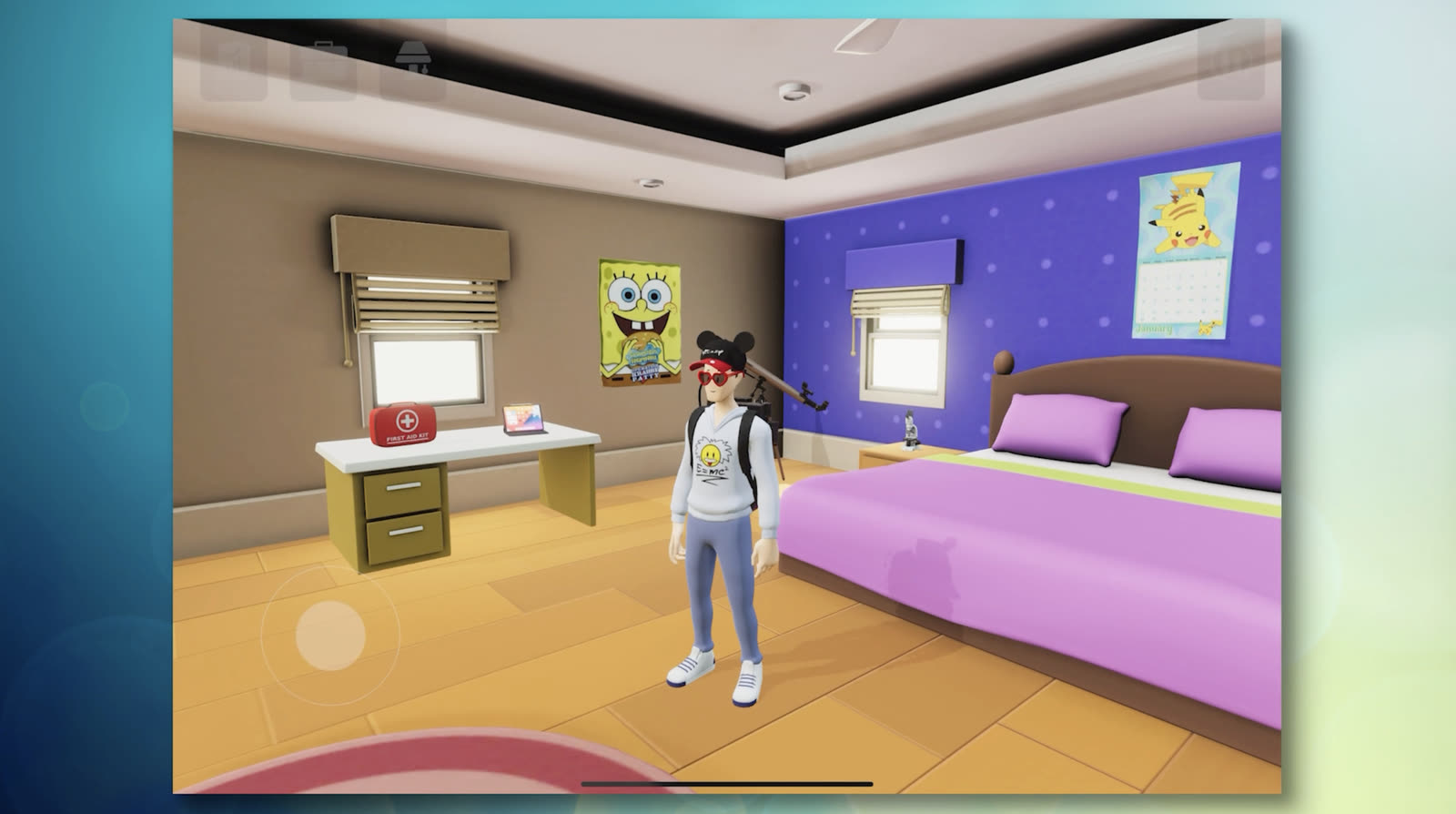
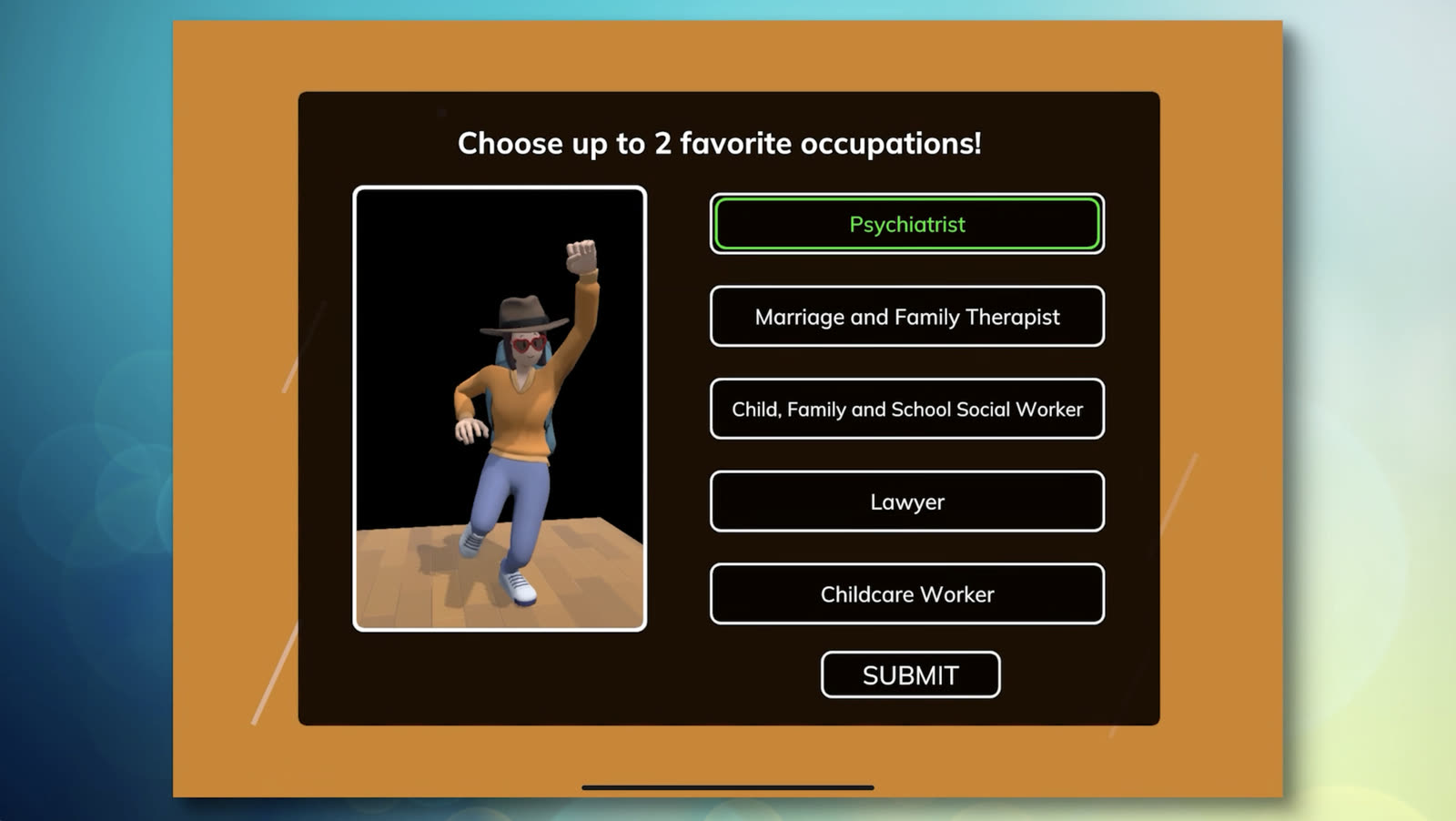
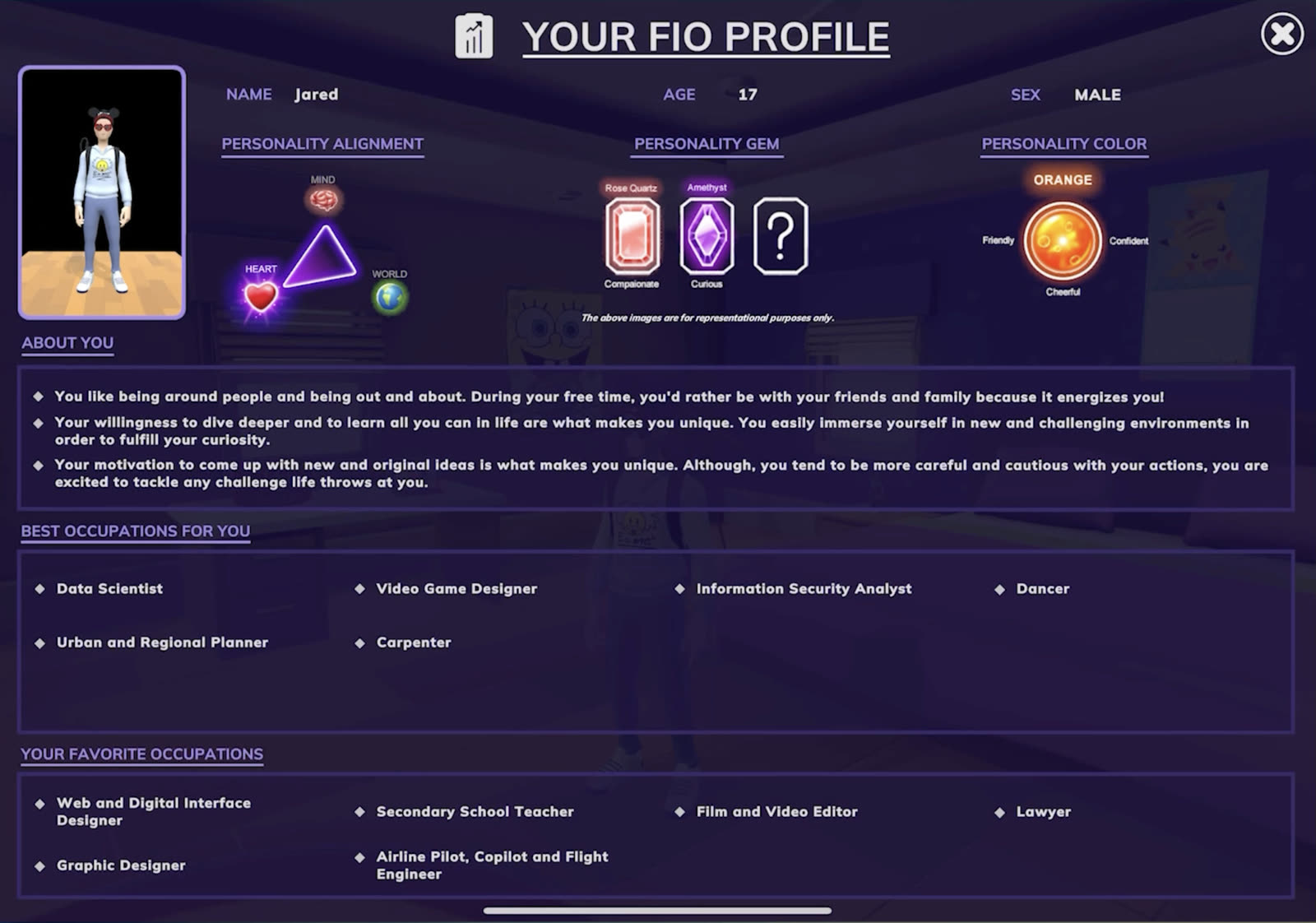
The product itself: a science-backed personality assessment that helps teens find careers that fit them, delivered as a game instead of a questionnaire. The craft problem was turning a validated psychometric framework (Heart, Mind, World) into something teens would see through to the end of the experience.
Role & scope
As Director of Product, Program Strategy, I ran R&D on the SaaS prototype from zero to completion, owning the UX and decision logic for the entire platform.
I interviewed and hand-picked a behavioral psychologist PhD and her team to develop proprietary science built specifically for this application. In parallel, my job was hiring and directing an external development team of about 20 developers to build the prototype, then bringing the science and the engineering together.
The systems story: gameplay wraps a validated instrument. The game is the delivery mechanism; the science stays intact underneath.
Under my direction, the PhD-led research program ran long-session focus groups with 500+ teens, each one interviewed and analyzed in depth, not one-off, user-directed sessions.
Process: the decisions
Wrapping an instrument in play
The core decision was to let the science and the game shape each other from the start. The behavioral instrument was built specifically for this product rather than adapted from an existing test, then wrapped in gameplay so the measurement never read as a questionnaire. Heart, Mind, and World, the validated framework, stayed intact underneath the play.
Designing the PhD-led validation program
Validation was a PhD-led research program, not a casual weekend playtest. The team ran long-session focus groups with more than 500 teens, and every response was interviewed and analyzed in depth. That rigor is what makes the results worth citing: the sample was small next to a game with millions of users, but the depth per participant was far higher.
Outcome
The prototype validated well: fun factor, engagement, and desire to complete all scored high across the teens in the study.
One honest finding split the audience: the 16 to 18 cohort read the character art as too kiddie, while 14 and 15 year olds were fine with it. Real research produces findings like that; the case study keeps it.
It did not reach market. A personal matter pulled the founder away from the company, which stalled the launch.
Media